

AEO & GEO vs SEO: What's the Difference?
Understand the difference between AEO, GEO and SEO, and why it matters to your brand.
October 14, 2026

The holy grail of marketing was once considered to be attribution. Multi-touch points, user journeys and fractional credit assignments were obsessed over by marketers. Then came GDPR, iOS privacy changes and the slow painful death of cookies. Would you class them as decision making tools now? As these days they look more like incomplete puzzles.
Here’s the truth. We’ve had better ways of measuring marketing effectiveness for years now. Instead of relying solely on attribution reports, we should be focussing on two core things –
Instead of over analysing user paths, focus on Big Picture Questions
Although attribution reports provide useful signals, they should not be the only source of truth. The real power lies in aggregated data models that work with tracking individuals –
Attribution reports still have value but they only tell part of the story. If you’re unsure on whether an increase in spend has actually had an impact, test it. If you want to know whether your brand campaign is driving sales, model it.
On reflection attribution probably isn’t dead, more evolving (Not as catchy a title though) The key lesson though is it’s time to stop solely relying on incomplete path data and start treating marketing measurement like we treat web performance. By focusing on broader patterns, testing changes and using aggregated insight to drive decisions.
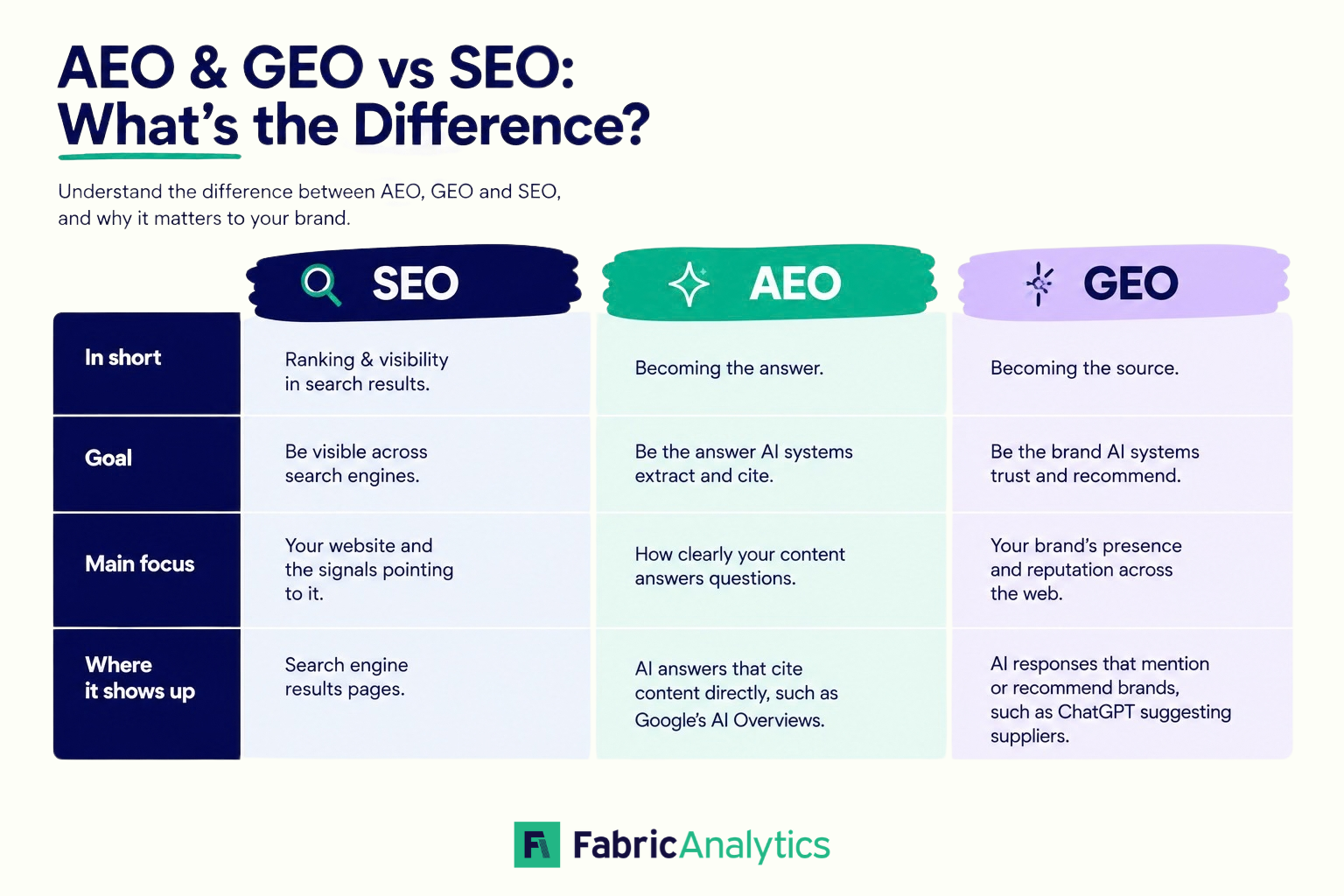
Understand the difference between AEO, GEO and SEO, and why it matters to your brand.
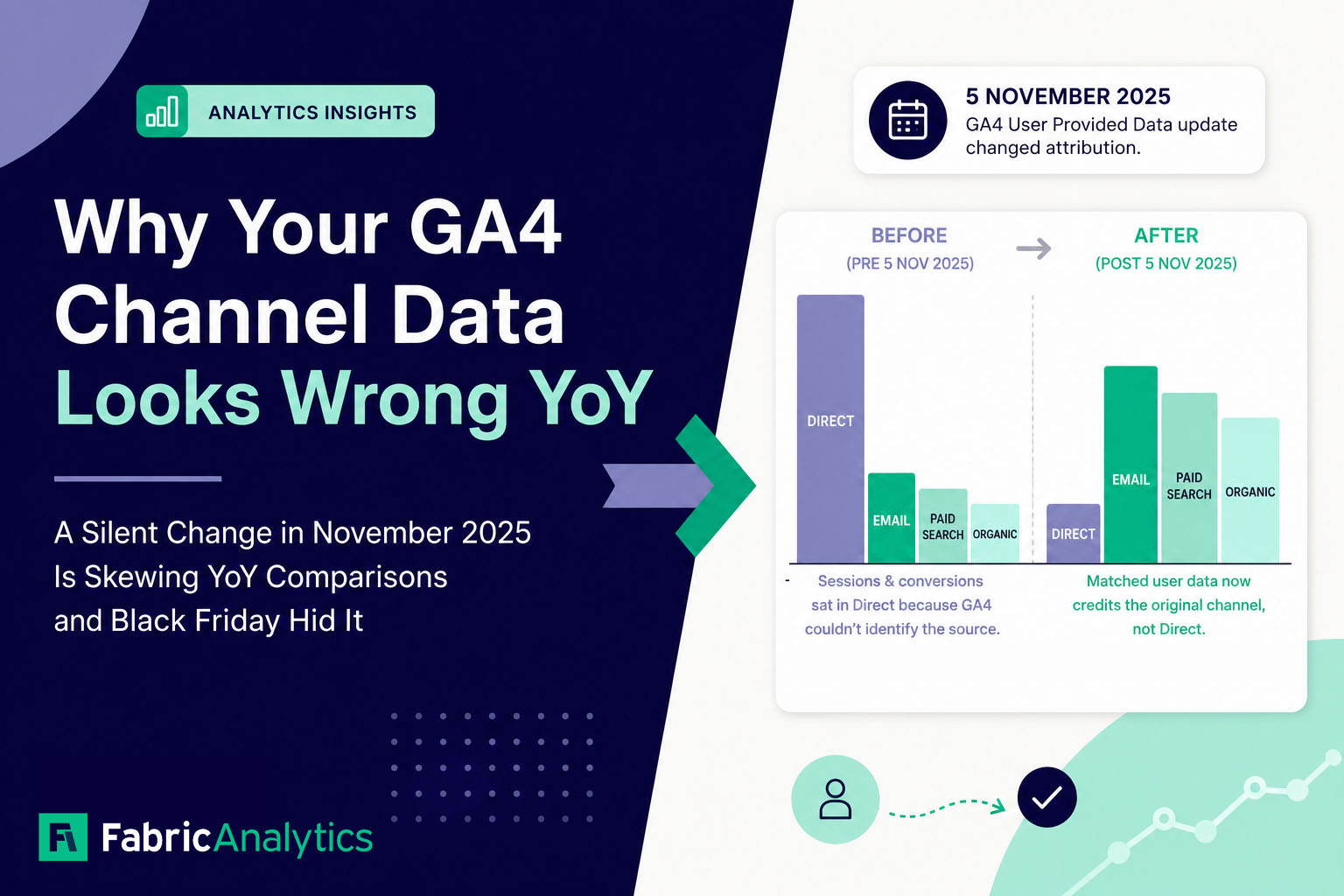
A little-publicised GA4 update in November 2025 changed how traffic is attributed, making YoY channel comparisons misleading for many businesses. Here's what changed, how to spot it, and what it means for your reporting.
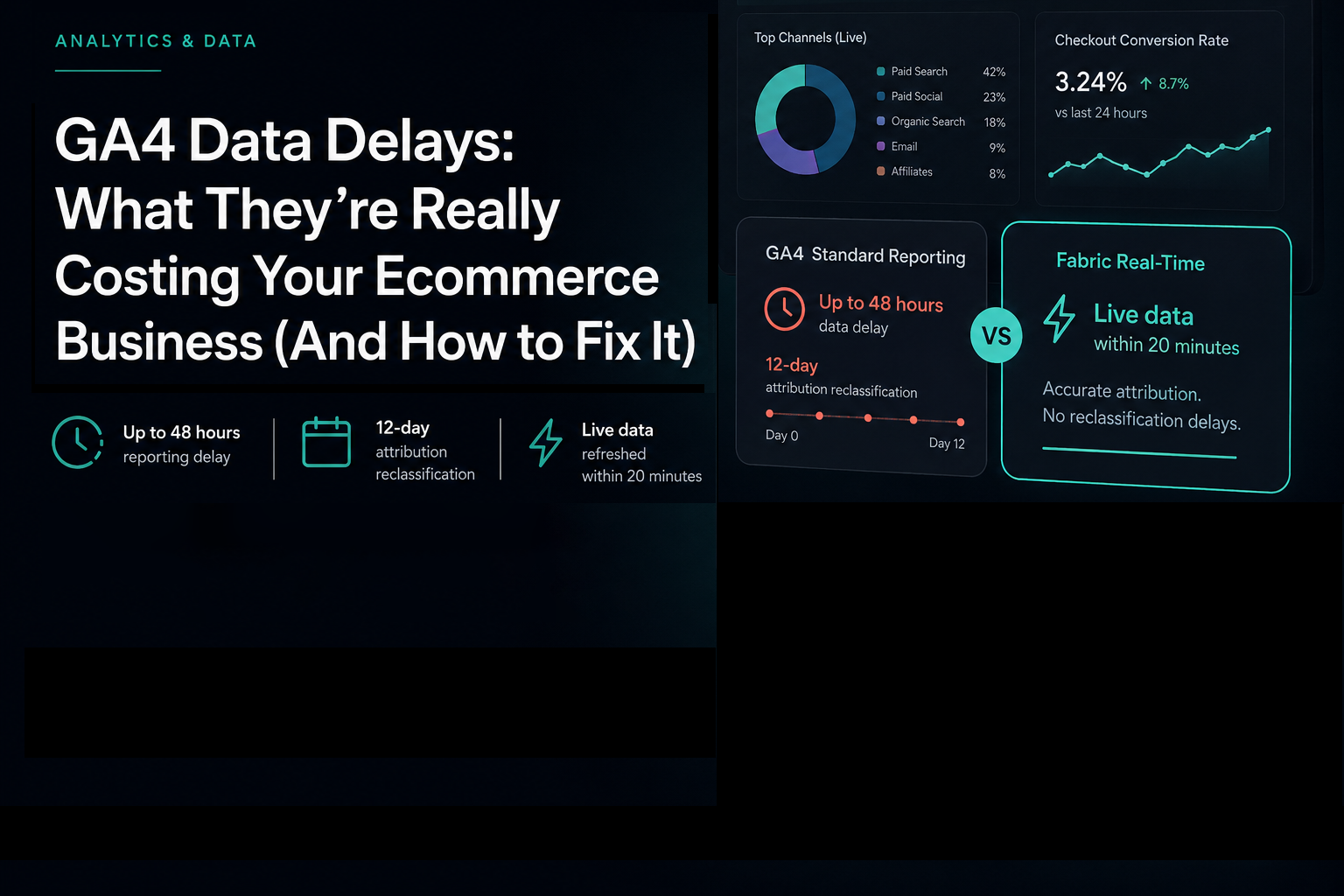
In this post we'll break down exactly what the GA4 data delays are, what they cost in practice, and how leading UK ecommerce brands are solving the problem.