

AEO & GEO vs SEO: What's the Difference?
Understand the difference between AEO, GEO and SEO, and why it matters to your brand.
October 14, 2026
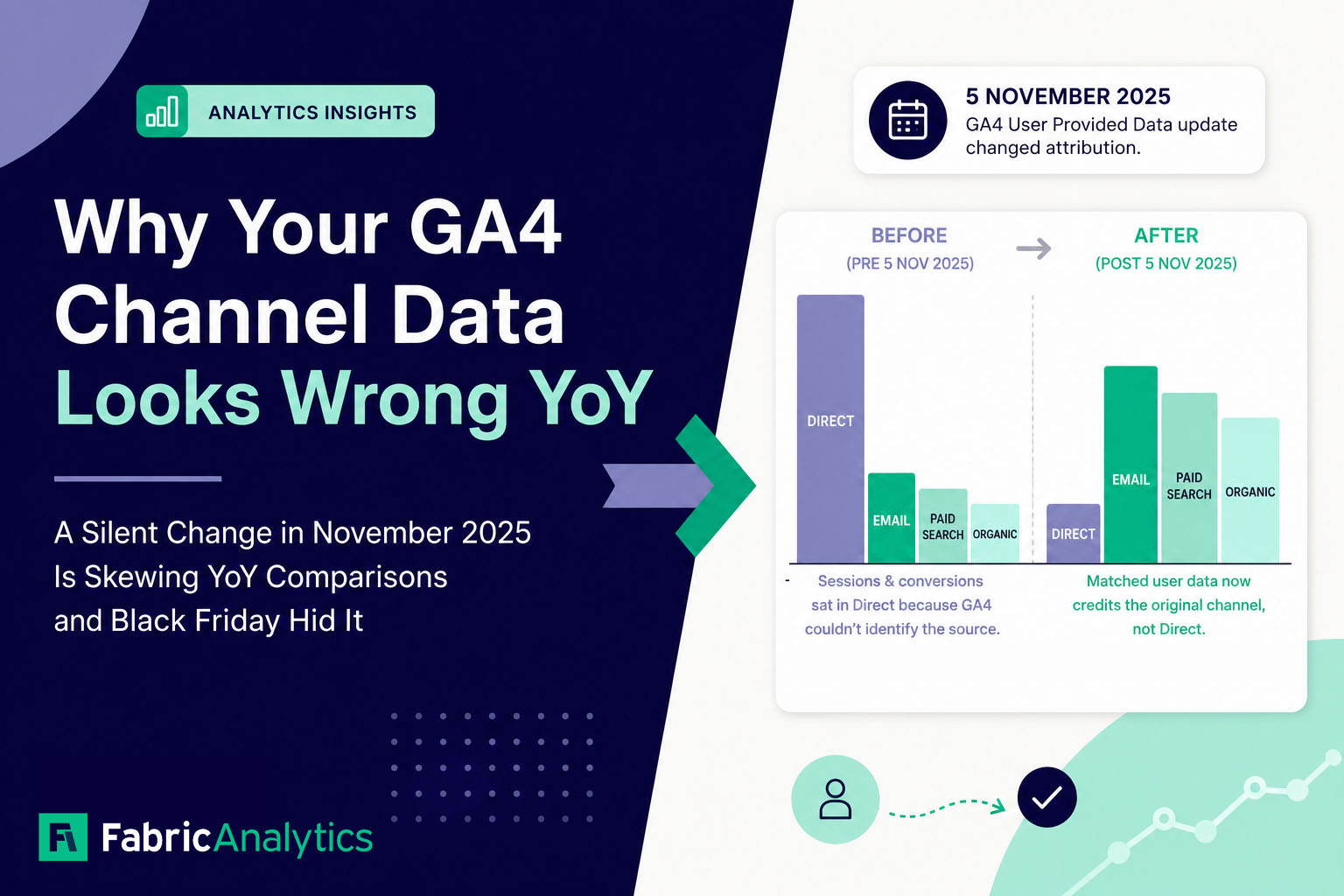
A Silent Change in November 2025 Is Skewing YoY Comparisons and Black Friday Hid It
If you've been looking at YoY channel performance in GA4 and noticed that Direct has dropped sharply in CVR, revenue or conversions, while other channels like Email or Paid Search appear to have grown, you may not be looking at a real shift in performance. You could be looking at the aftermath of a platform change that quietly rewrote how GA4 attributes your traffic.
What Changed and When
On 5th November 2025, Google made a significant update to how GA4 handles User Provided Data, hashed customer identifiers (email addresses, phone numbers) that are passed to GA4 via your site or via Google Ads. Google began using this matched data more aggressively to re-attribute sessions that previously had no identifiable source.
In practice, this means sessions that GA4 previously could not link to a known acquisition channel, and therefore bucketed as Direct, can now be matched to a logged-in user and attributed to their original channel: Email, Paid Search, Organic, and so on.
The result: Direct loses sessions and conversions it was previously credited with, and other channels gain them. Nothing changed in your marketing. The performance didn't shift. GA4 just started counting differently.
Google are expected to stop using User Provided Data for channel attribution in the next month or so, we're unsure if this will back date channel data or not as it stands.
Why It Might Have Been Missed
The timing could hardly have been worse. November 5th sits immediately before the Black Friday and Cyber Monday period, the most volatile and high-traffic fortnight in the ecommerce calendar. Analysts and marketers were understandably focused on campaign performance, not platform anomalies.
By the time anyone sat down to do a proper YoY review in December or January, the change had been baked into several weeks of data, making it hard to isolate. And because BFCM itself produces unusual channel patterns every year, the discrepancies were easy to explain away as "just Black Friday being different this year."
What It Looks Like in Your Reports
The most common symptoms we're seeing across affected accounts:
How to Confirm You're Affected
Pull a day-by-day or week-by-week breakdown of Direct sessions and conversions, compare 2025 vs 2024 around the 5th November inflection point. If you see a sudden drop in Direct that doesn't correspond to any campaign change or site issue, the User Provided Data update is almost certainly the cause.
You can also check your GA4 property settings under Admin → Data Collection → User-provided data collection to see when this was enabled or changed.
What To Do About It

The Broader Lesson
GA4 is a living platform. Google makes attribution and data collection changes with limited fanfare, and those changes can have a material impact on how historical performance reads. Any significant YoY anomaly in channel data,particularly one that appears overnight, should be investigated at the platform level before conclusions are drawn about marketing performance.
If you're seeing these patterns in your GA4 data and want help diagnosing the impact, get in touch.
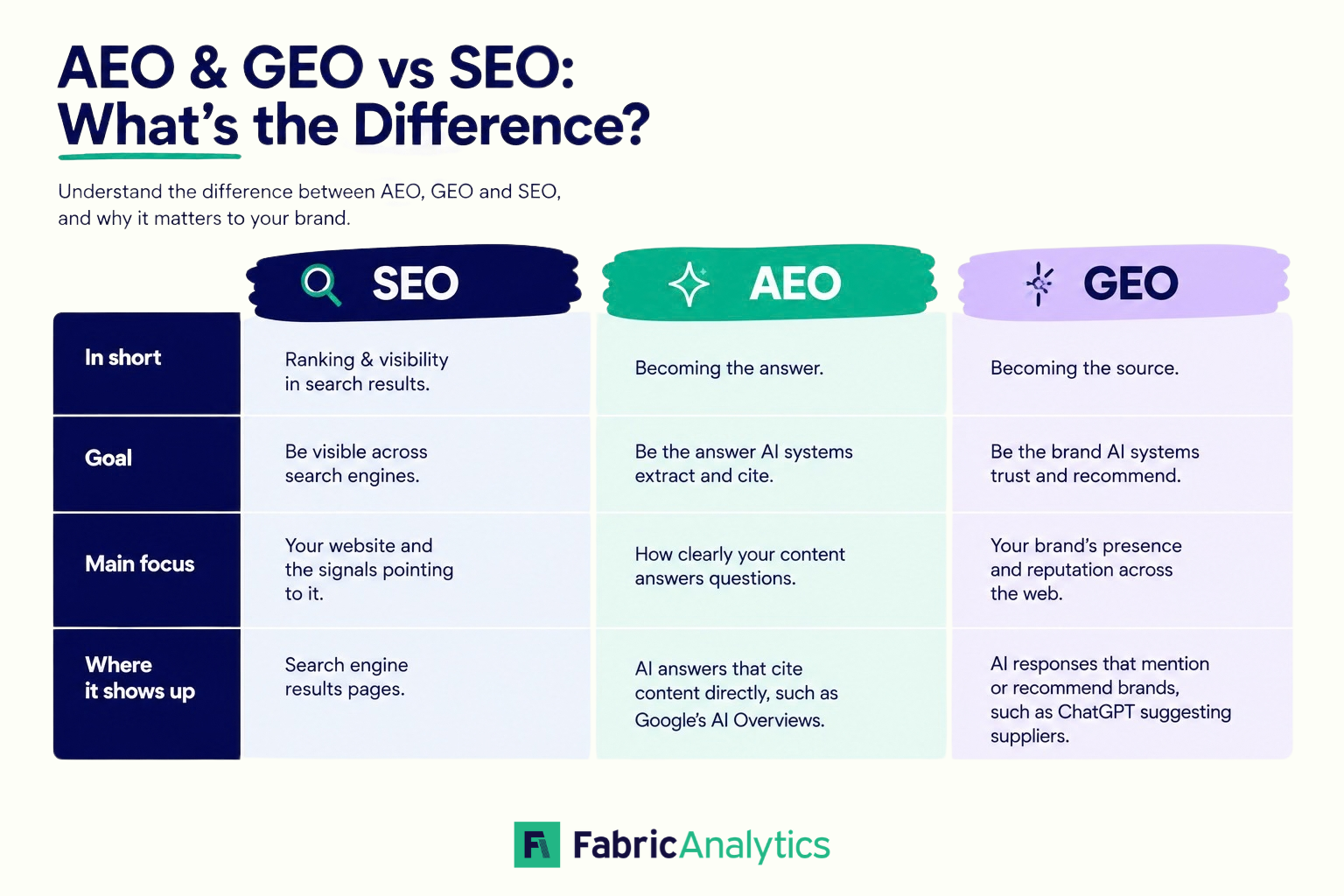
Understand the difference between AEO, GEO and SEO, and why it matters to your brand.
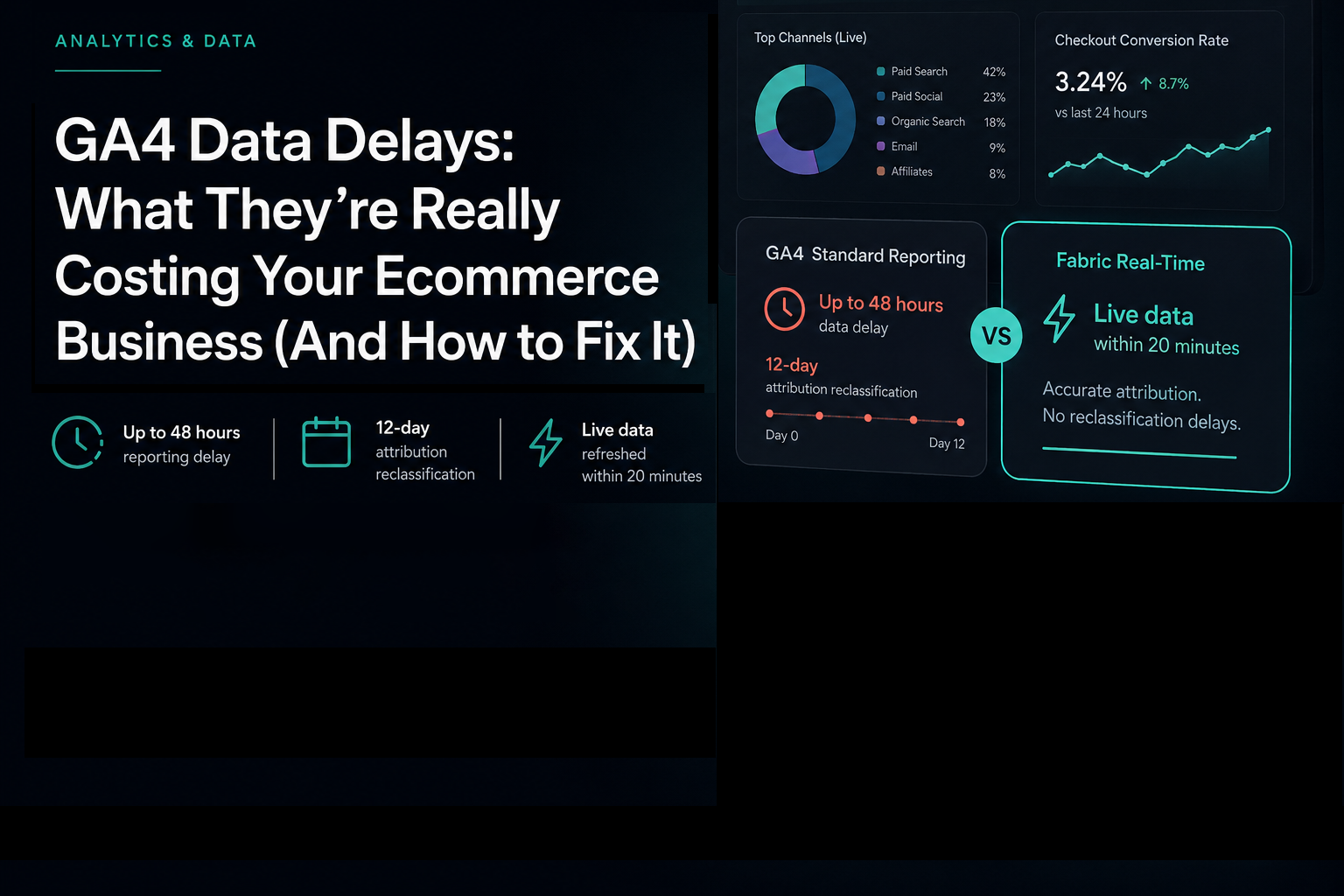
In this post we'll break down exactly what the GA4 data delays are, what they cost in practice, and how leading UK ecommerce brands are solving the problem.

Google is making a significant change to how GA4 and Google Ads share data on 15 June 2026.